Civil engineering projects require effective project management to be completed successfully. Project management is the process of overseeing all aspects of a project from start to finish, such as planning, organizing, and communicating.
Project management in civil engineering has many benefits. For example, it can help to ensure that projects are delivered on time and within budget. It can also help to reduce risks, which can cause delays and cost overruns. Furthermore, it can help to enhance communication between all stakeholders, which can lead to a more productive and cooperative project. Lastly, it can help to ensure that projects meet the quality standards required by clients and regulators.
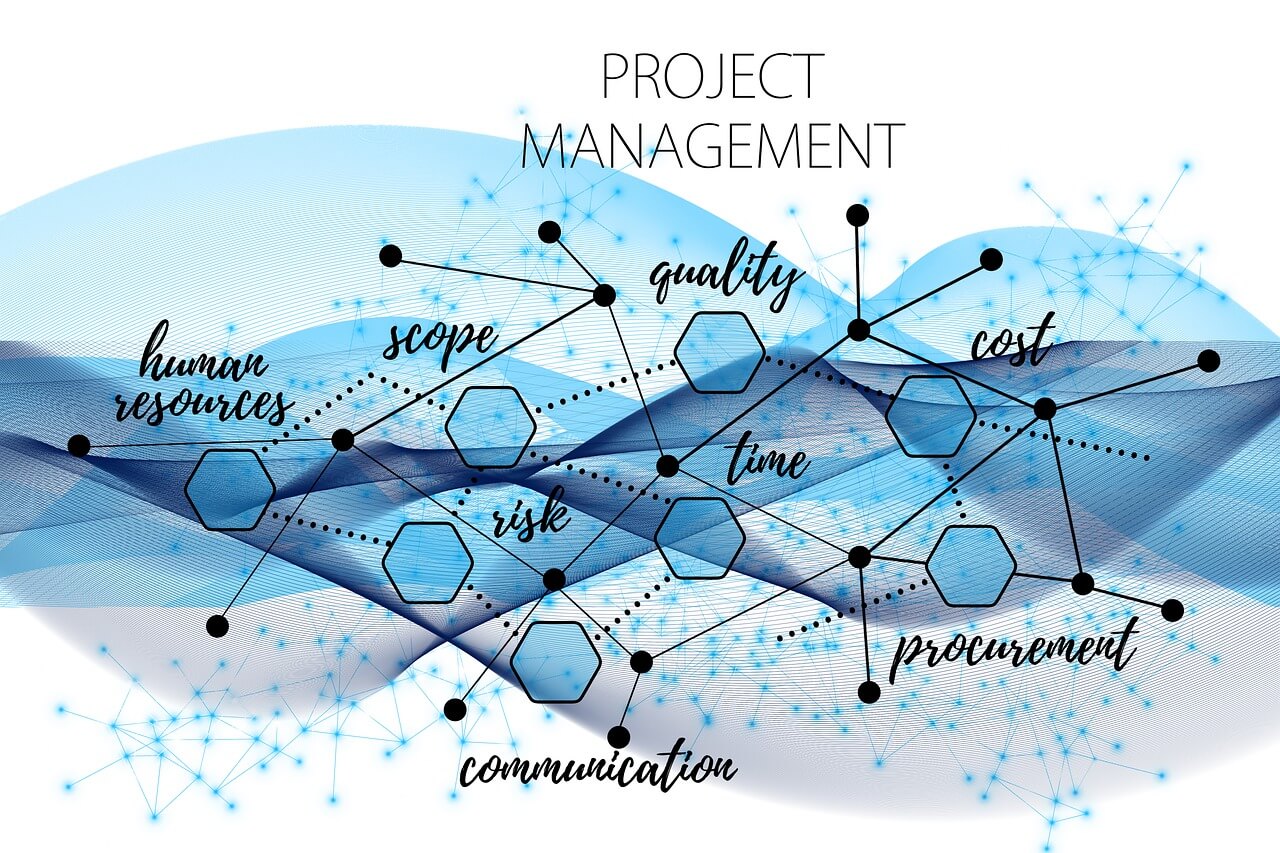
The key elements of project management in civil engineering are:
Project planning:
This involves defining the scope of the project, assessing the risks, and creating a schedule and budget for the project.
Risk management:
This involves identifying and reducing potential risks to the project, such as technical problems, delays, and cost overruns.
Resource management:
This involves managing resources for the project in a way that is efficient and cost-effective.
Communication:
This involves communicating clearly with all stakeholders throughout the project lifecycle.
Quality assurance:
This involves ensuring that the project meets the quality standards required by clients and regulators.
Project management is a vital and challenging task, but it is necessary for the successful completion of civil engineering projects. By following the key elements of project management, civil engineers can help to ensure that their projects are delivered on time, within budget, and to the required quality standards.